# Late night

Late-night döner is a real Berlin occasion, but it is not a universal business model or an excuse to romanticize exhaustion, alcohol, or unsafe streets.

Berlin's official guide describes kebab counters serving at many hours and explicitly mentions a 2 a.m. meal after a party. Portability helps: bread contains meat, salad, and sauce in one hand-held package, while a dürüm travels and a box supplies a fork.

That does not mean every late customer has been drinking, every shop stays open, or every city follows Berlin. Night workers, travelers, concertgoers, delivery riders, students, and residents all use food businesses after conventional dinner hours.

## The wider night economy

The Berlin Senate's 2024 nighttime-strategy work defines the night economy as activity between 6 p.m. and 6 a.m. and treats it as both an economic sector and a social and cultural system. Its [public summary](https://www.berlin.de/sen/web/presse/pressemitteilungen/2024/pressemitteilung.1453102.php) identifies pressures involving safety, rising prices, gentrification, and access to space.

Food shops support that system, but they also create impacts. Queues produce noise. Outdoor eating creates litter. Odors and deliveries affect neighbors. Workers need safe transport home. Longer hours require more staffing, cleaning, security awareness, and temperature control.

<figure>
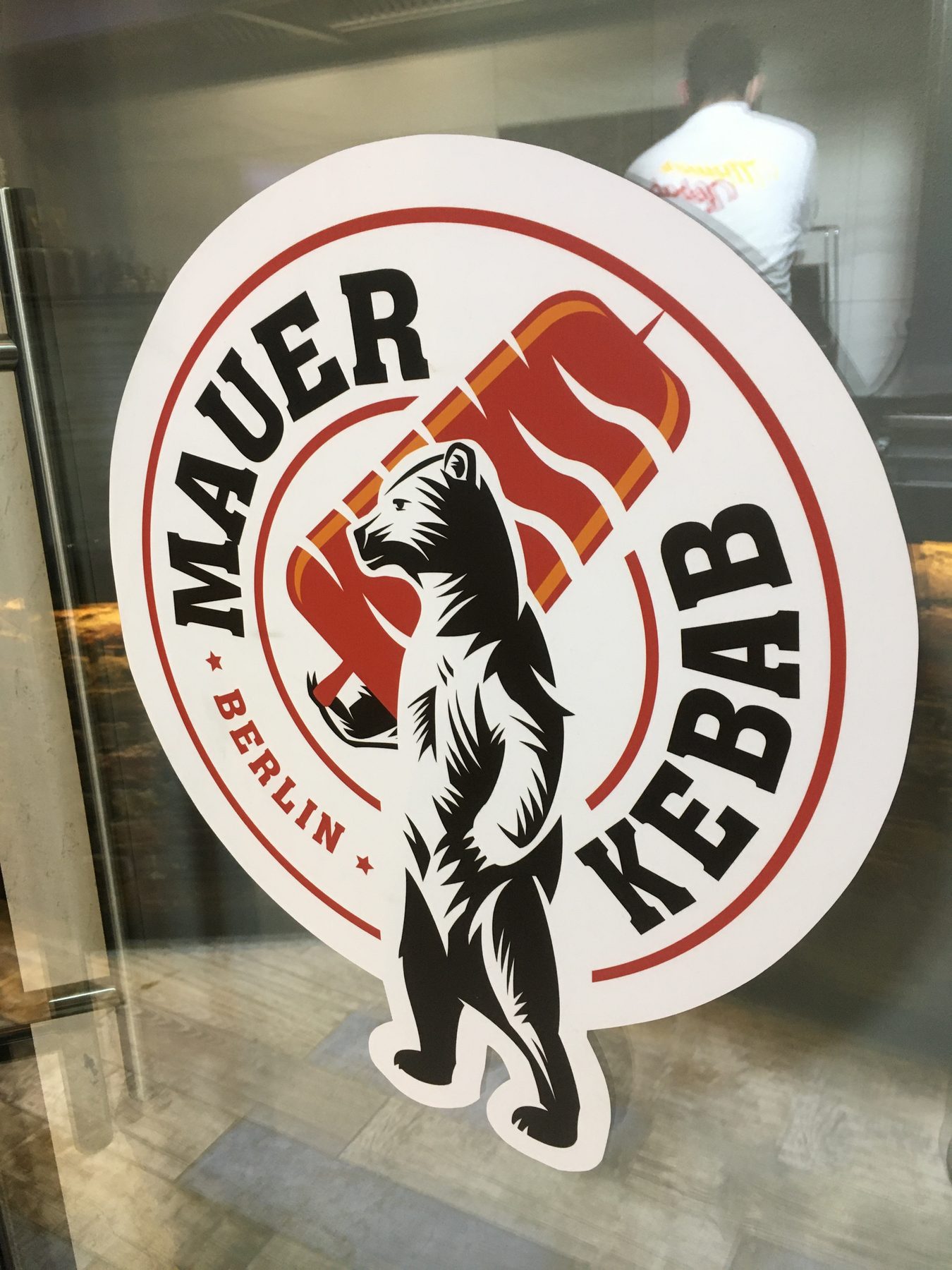
<img src="https://donerguide.com/static/guide-mauer-kebab-night.jpg" alt="Mauer Kebab window logo with a worker visible inside the shop at night">
<figcaption>Photographed at 9:37 p.m., Mauer Kebab's window documents one Berlin shop working after conventional dinner; it does not establish the hours of every kebab counter. Photo by <a href="https://commons.wikimedia.org/wiki/File:Mauer_Kebab.jpg">ChickSR via Wikimedia Commons</a>, licensed <a href="https://creativecommons.org/licenses/by-sa/4.0/">CC BY-SA 4.0</a>.</figcaption>
</figure>

## Hours are local evidence

A closing time is a fact about one location on one date. It depends on licenses, landlord rules, staffing, transport, delivery demand, and neighborhood agreements. A shop closing at 9 p.m. is still capable of making döner; a shop open at 3 a.m. is not automatically culturally closer to Berlin.

The city of Berlin's restaurant recommendations document wide variation. Some counters are described as all-day or late-night destinations; other respected shops keep narrower hours. Always check the operator's current listing before traveling across town.

In March 2026, Berlin proposed a new restaurant law that would allow outdoor dining later in designated nightlife districts while retaining controls where residents face significant disturbance. The [city's explanation](https://www.berlin.de/en/news/10254106-5559700-senate-introduces-new-restaurant-law.en.html) illustrates why "open late" is a governance question as well as a customer preference.

## Food safety after midnight

A spit that has turned all day needs more attention, not less. Demand can slow, the cooked layer can wait, and tired staff can make mistakes. The same cooking, hot-holding, hygiene, and cross-contact controls apply at 1 a.m. as at lunch.

The [FDA Food Code](https://www.fda.gov/media/184685/download?attachment=) lists inadequate cooking, improper holding temperatures, contaminated equipment, unsafe sources, and poor personal hygiene among the recurring risk factors in food service. US jurisdictions adapt that model locally. A glowing rotisserie and a busy line are not substitutes for time-and-temperature controls.

Customers can help by ordering from an open, operating business rather than expecting food after equipment has been shut down. Staff should never be pressured to carve from an insufficiently cooked interior or bypass closing procedures.

## Alcohol and personal safety

Döner is often narrated as "food after a drink," but the sandwich does not prevent intoxication or make someone safe to drive. Food can be part of a night out; it does not accelerate sobriety.

Plan the trip home, stay with friends, respect staff and other customers, and use well-lit routes and licensed transport. Eating pungent takeaway on crowded public transport may also violate local norms or create conflict. Berlin's city tourism guidance explicitly advises finishing kebab before boarding a bus or train.

## Who is actually in the line

There is no credible national age band or single customer profile. A queue can include shift workers ending a day, hospitality staff between jobs, families, tourists, club crowds, delivery couriers, and people seeking a halal meal when other kitchens are closed.

Late-night access can matter especially where halal options are limited, but certification still needs verification. A sign saying halal at midnight deserves the same current certifier and scope questions as it does at noon.

<div class="band" markdown="1">

<p class="eyebrow">Food after conventional dinner</p>

## A real occasion, <b>not a universal rush</b> {: .display }

<p class="lede">Late trading links food to transport, labor, safety, noise, and neighborhood policy. One busy window cannot stand in for every German shop.</p>

</div>

The late-night chapter therefore ends with a narrower claim than it began with: döner fits night streets unusually well because it is hot, quick, portable, and widely familiar. Whether a particular shop should stay open—and how late—depends on evidence from that place.

---
HTML: https://donerguide.com/late-night/