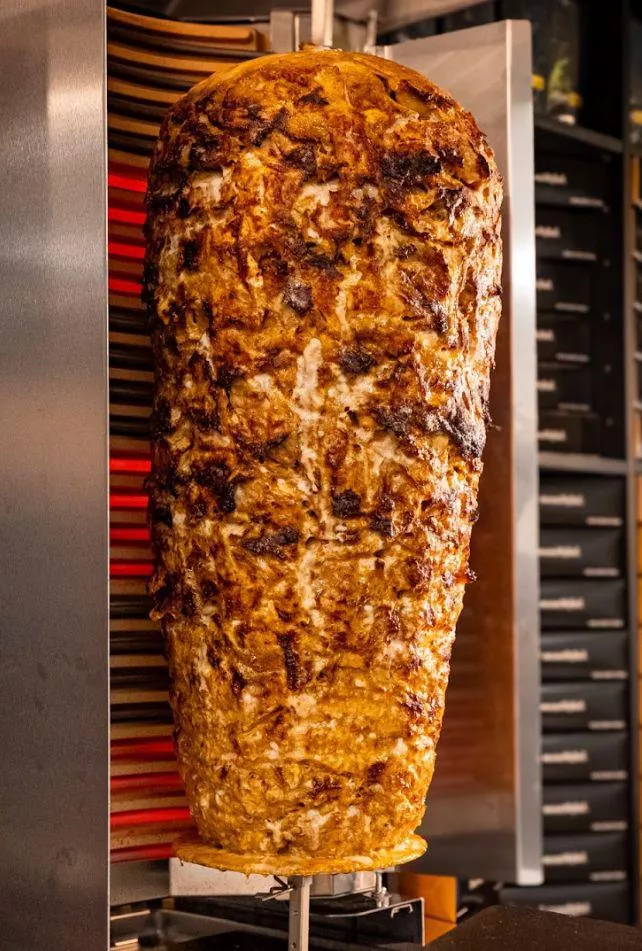
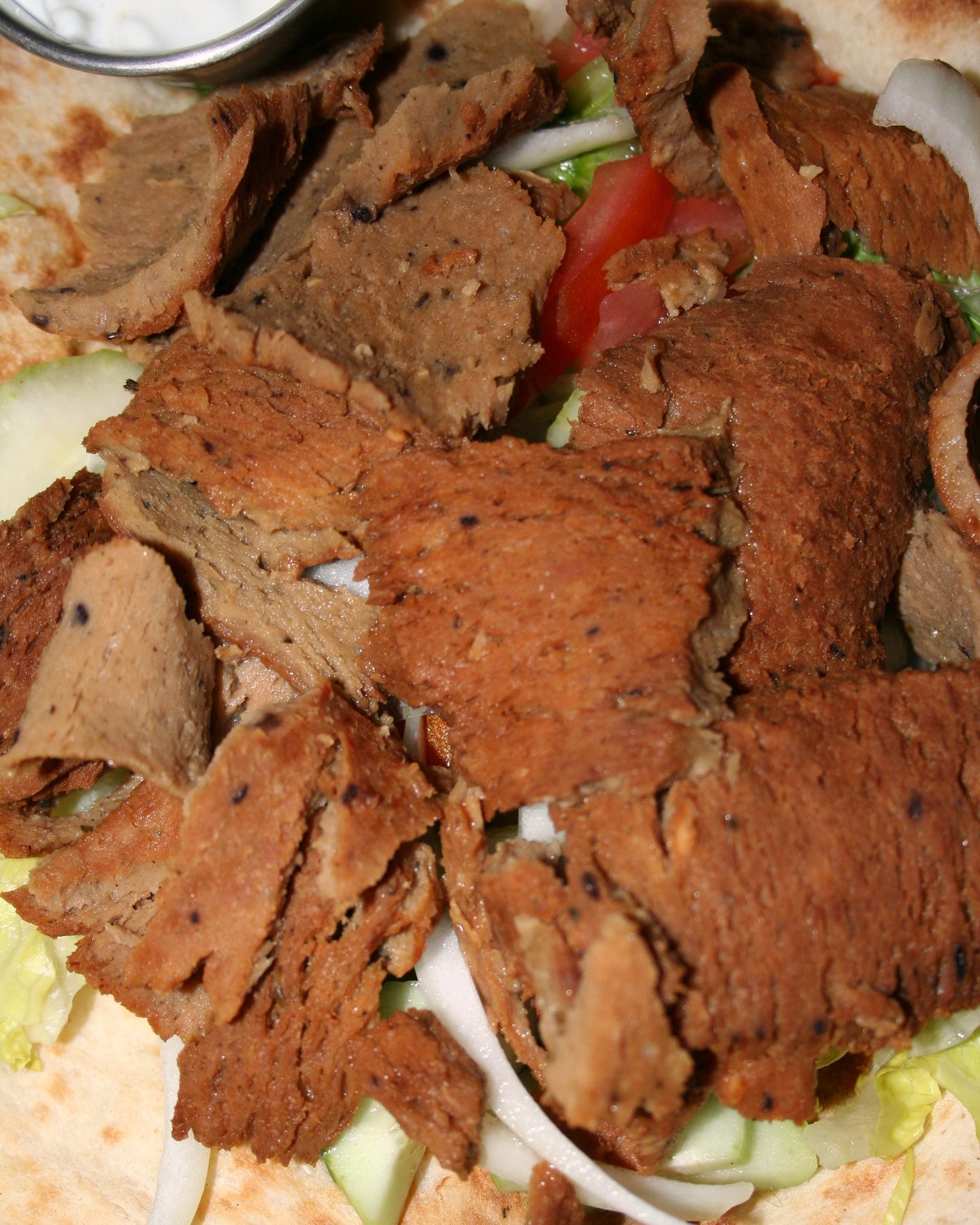
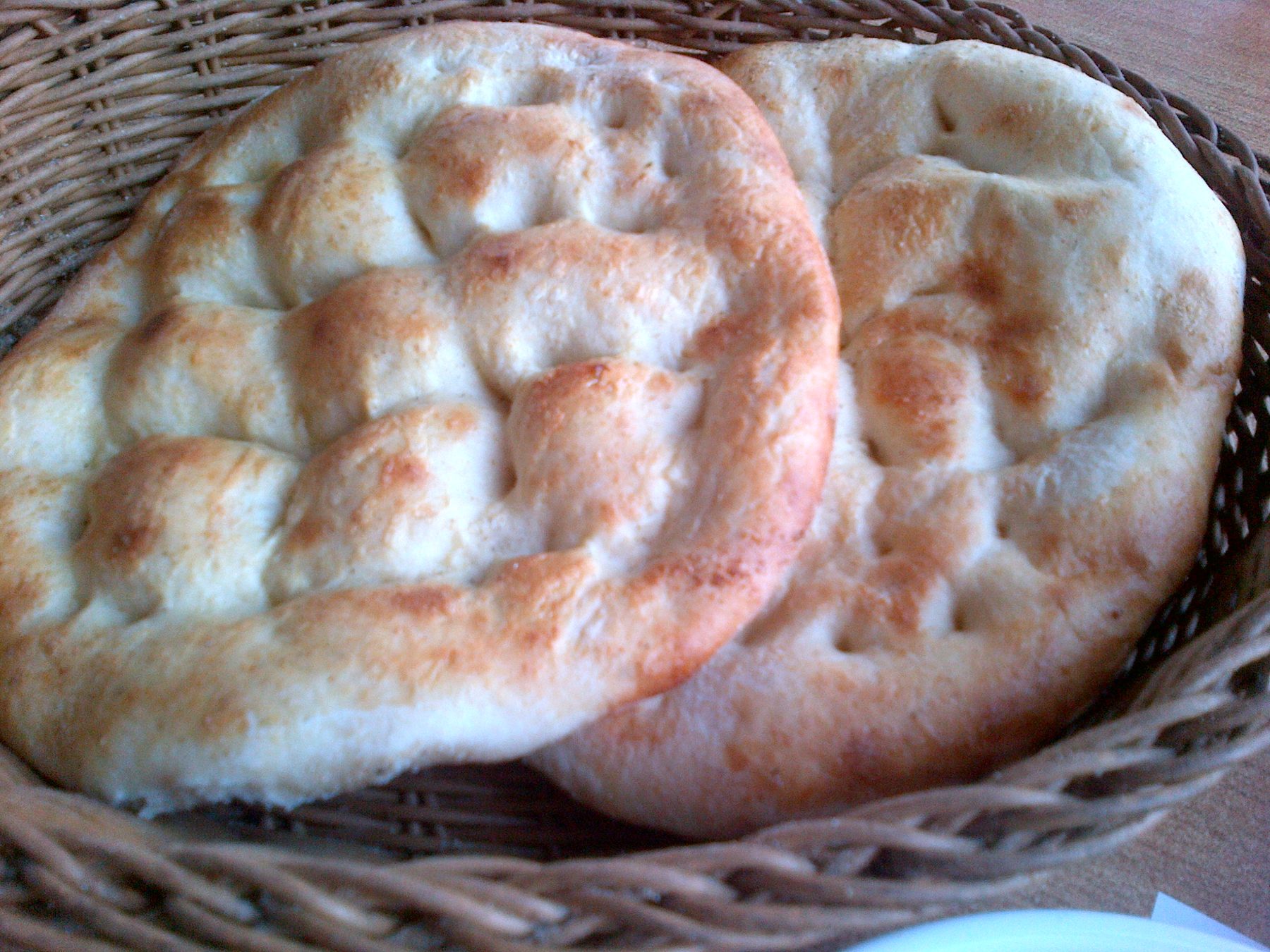
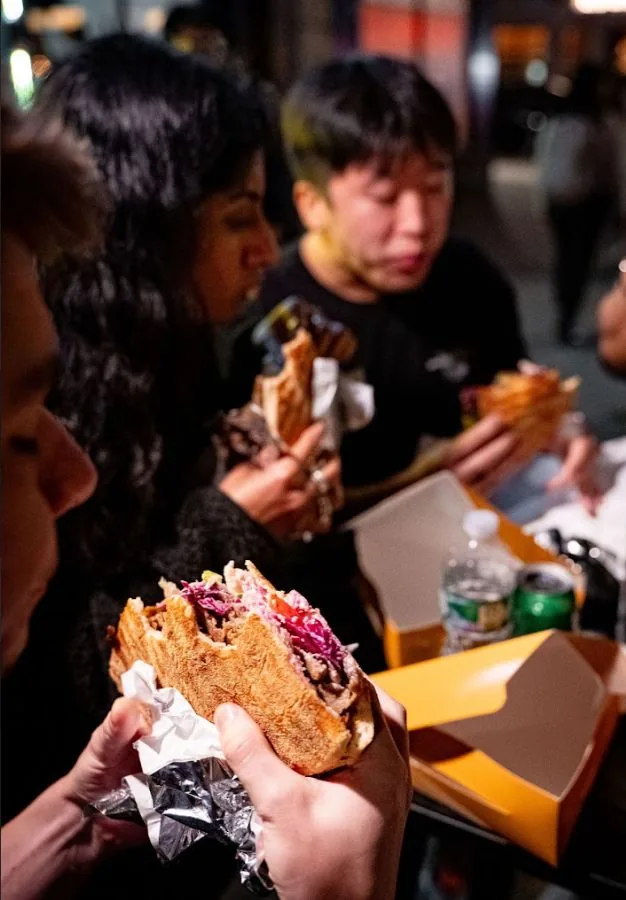
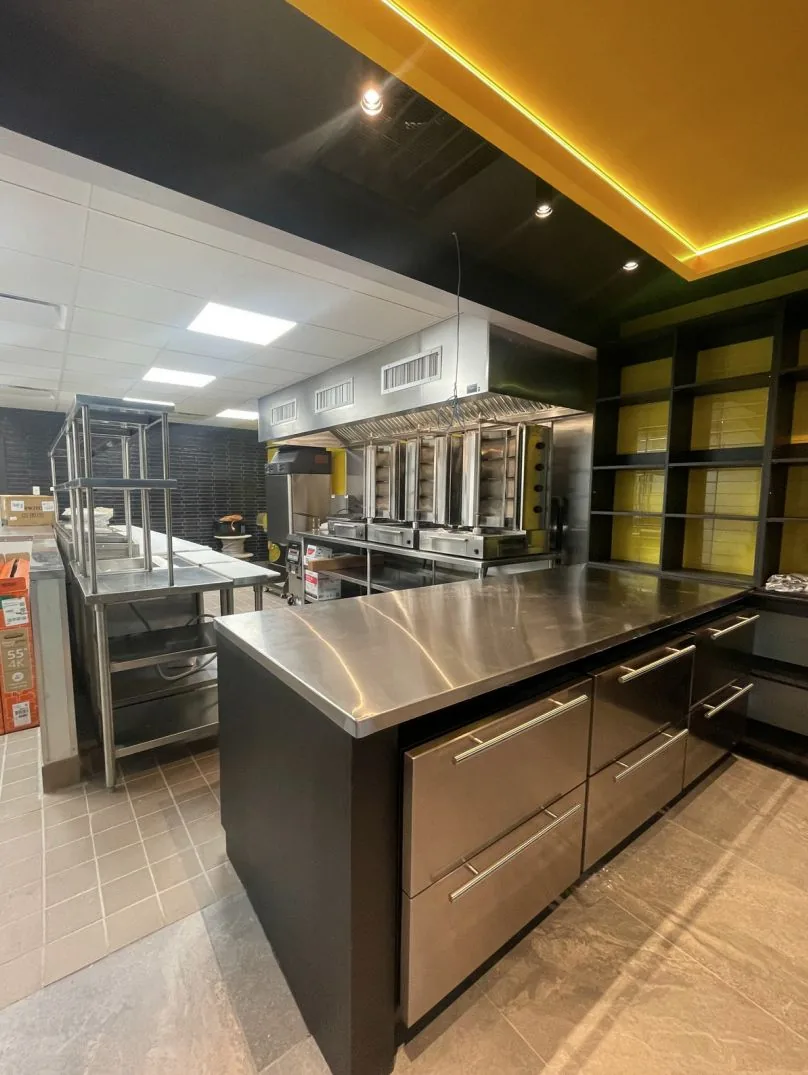
German döner begins with a Turkish cooking method. Layers of seasoned meat turn beside a vertical heat source; the browned exterior is shaved while the interior continues to cook. In West Berlin, migrants from Turkey made that method part of the city’s everyday street food, commonly serving the meat in bread with salad and sauce. The sandwich is now associated with Berlin, though neither the vertical spit nor döner itself began there.
Food historian Mary Işın traces vertical döner to nineteenth-century Ottoman cooking, while Berlin’s official tourism site calls the bread-filled form a 1970s Berlin development. Even the Berlin origin has competing claimants and dates. The 1972 story is the one Berlin likes; the spit is older, and the claimants disagree.
Start with the spit, then bread, dürüm, meat and halal, sauces, boxes, sides, drinks, and allergens. Vegetarian versions exist. Regional shops disagree. Döner, gyro, and shawarma share a machine and then go their own ways. Nobody in Berlin, Athens, Beirut, Istanbul, New York, or Dallas is cooking from one fixed recipe.
The scale is large. How large depends on who is counting. The Berlin-based trade association ATDID currently claims about €2.4 billion in annual German sales. That is an industry estimate. Germany’s official consumer-price statistics track food and restaurant services, not a national “döner price index”. Figures such as “$6 billion,” “16,000 shops,” or “more outlets than any burger chain” travel without a date or a method.
A layered history
Turkey supplied the method. Berlin changed the occasion.
19th c. Vertical döner
Ottoman cooks were turning layered meat upright before the Berlin sandwich existed.
1961 Recruitment agreement
West Germany's agreement with Turkey began a migration history that reshaped German cities and foodways.
1971–72 Competing Berlin stories
Different accounts credit different vendors; the sandwich emerged from a community, not a single uncontested moment.
€2.4B German annual sales
ATDID's current trade-association estimate for German sales.
Germany and Turkey signed their labor-recruitment agreement on 30 October 1961. The Federal Agency for Civic Education’s history records that around 870,000 workers came from Turkey before recruitment stopped in 1973. Many stayed, families joined them, and people moved from industrial work into services and self-employment. Calling döner merely “German” erases that migration. Calling Berlin’s sandwich unchanged Turkish tradition erases the adaptation.
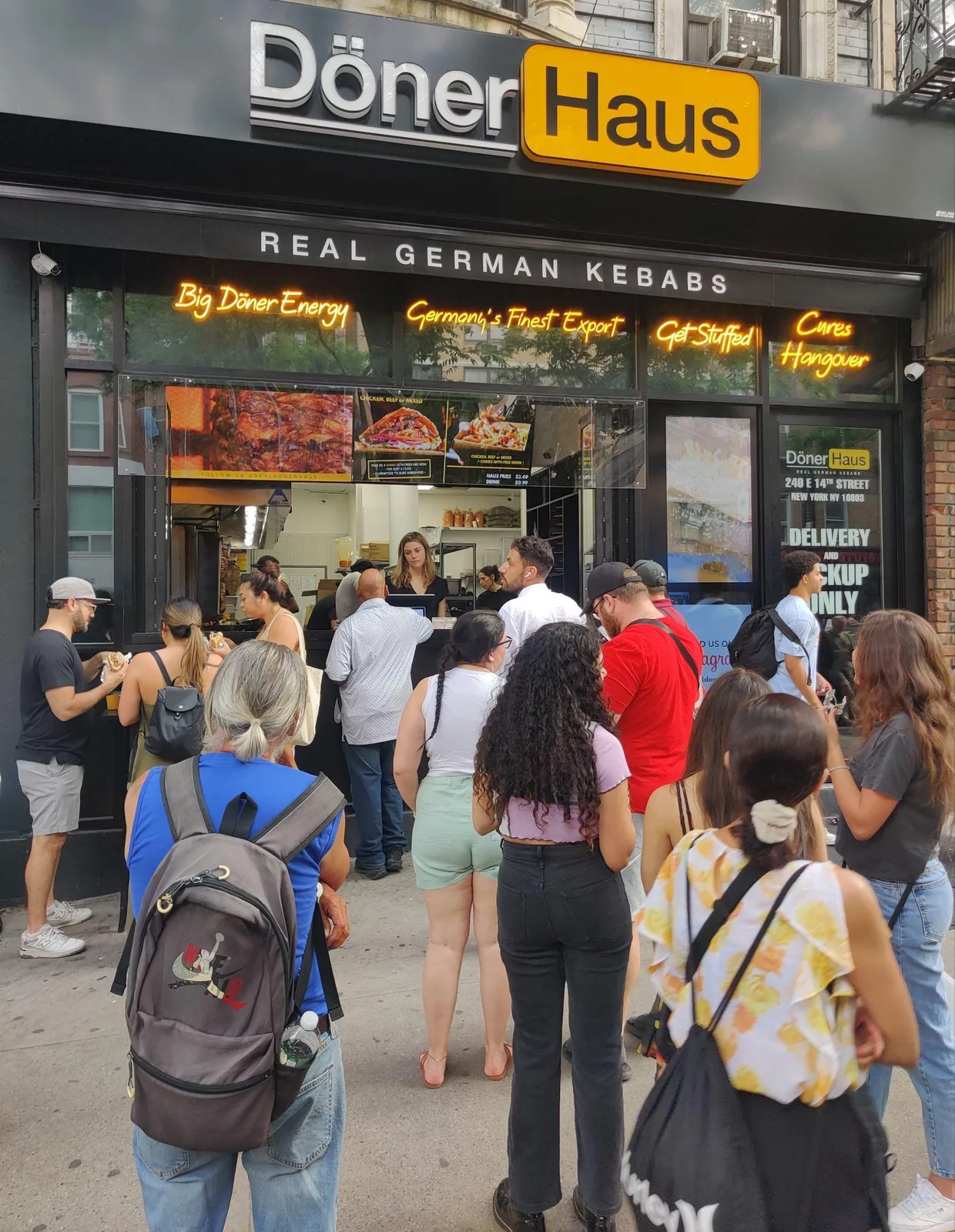
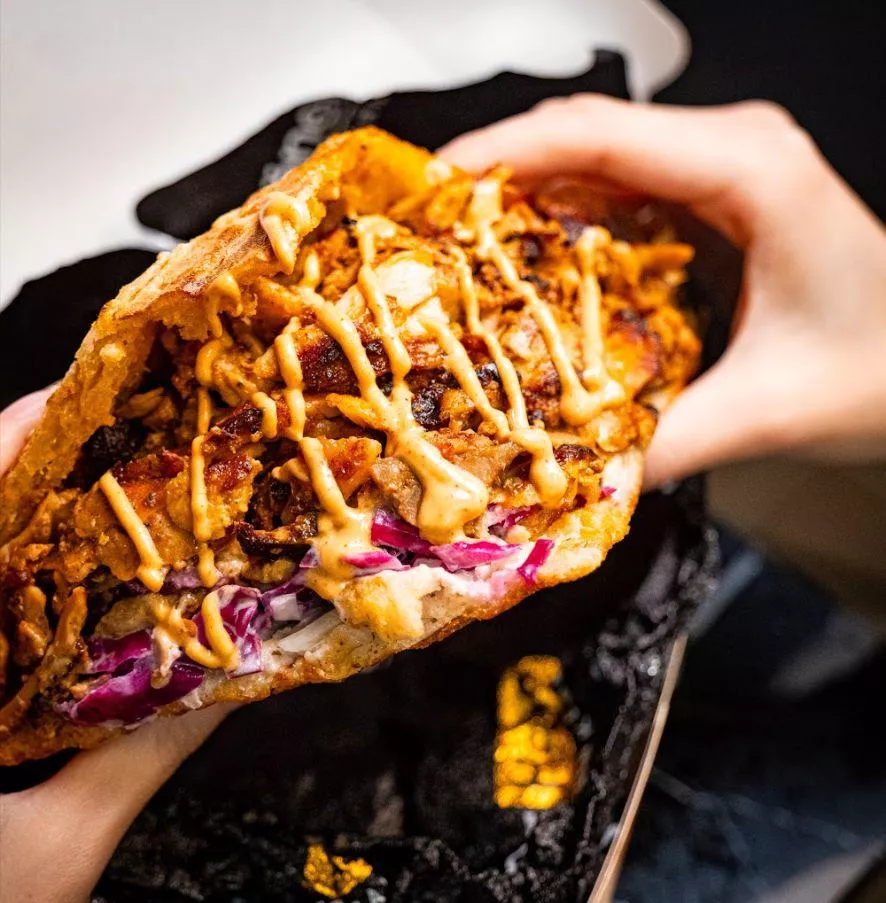
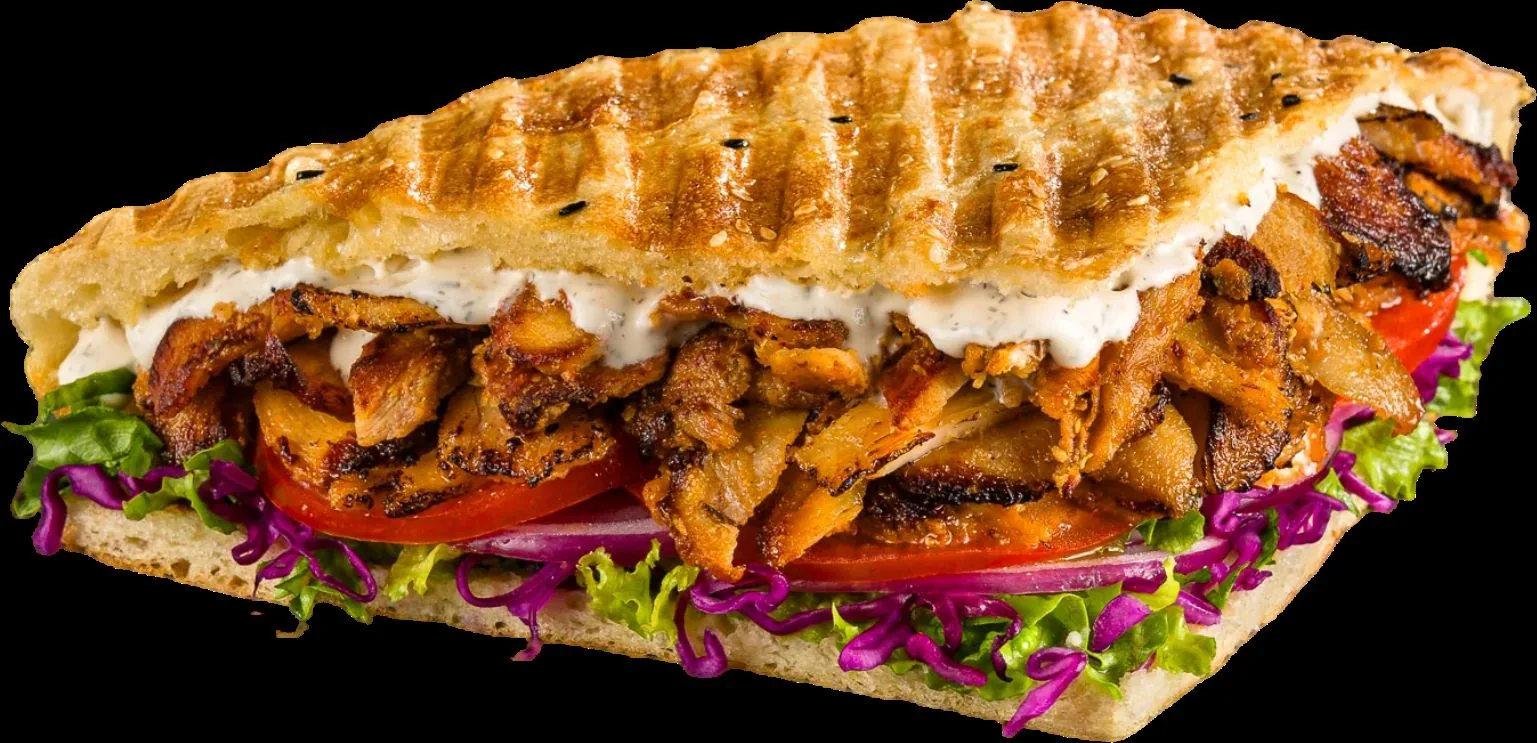
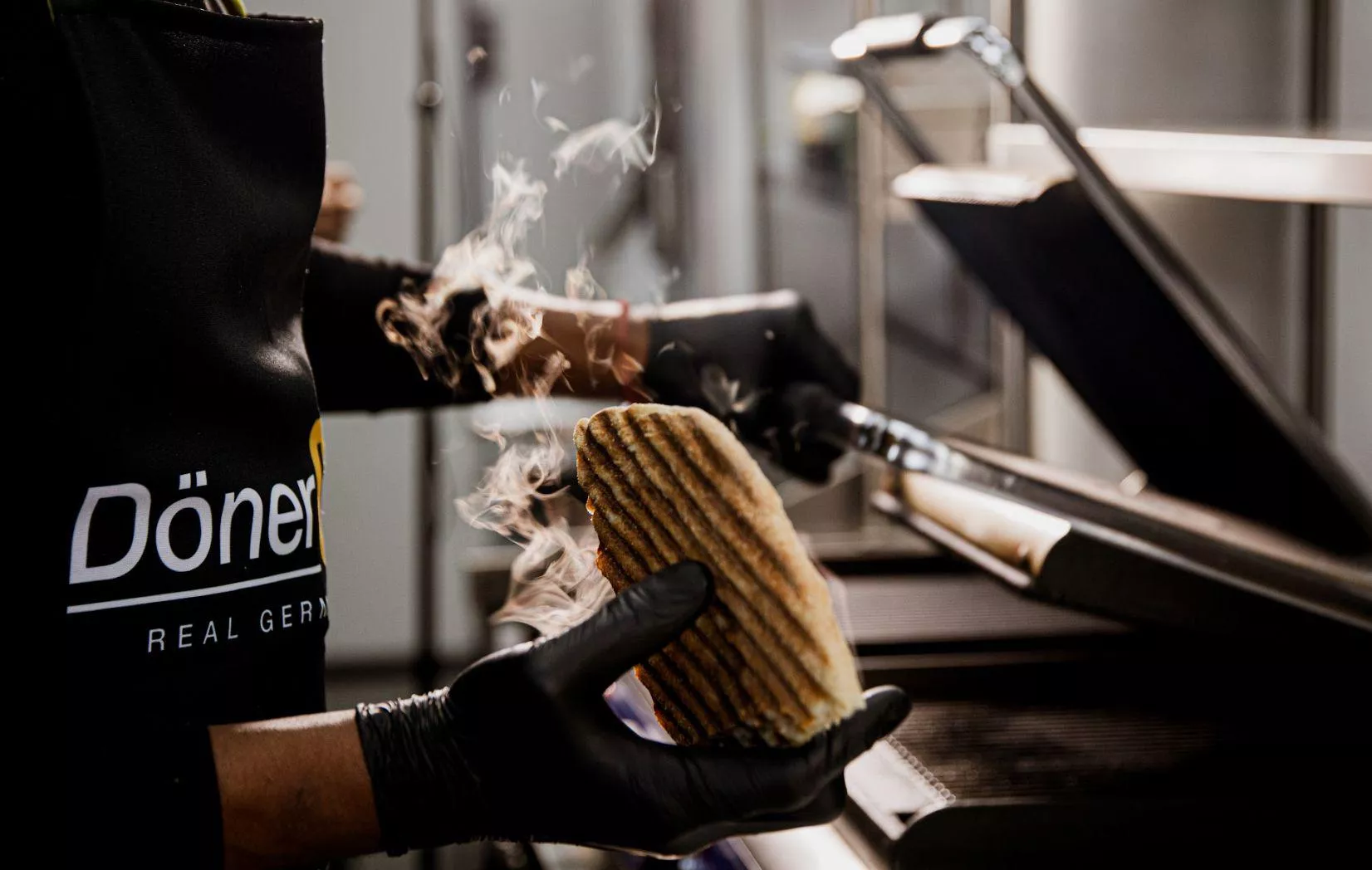
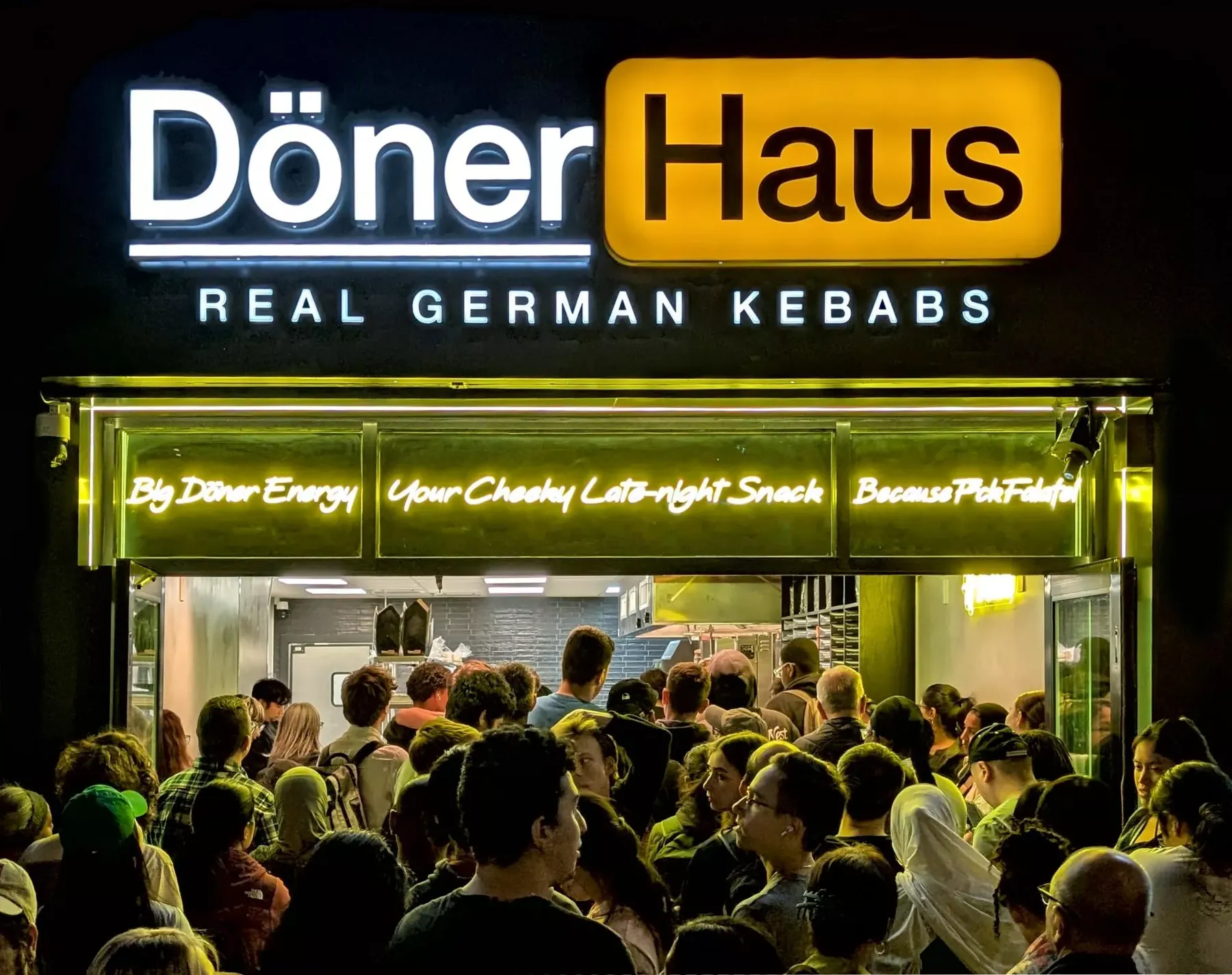
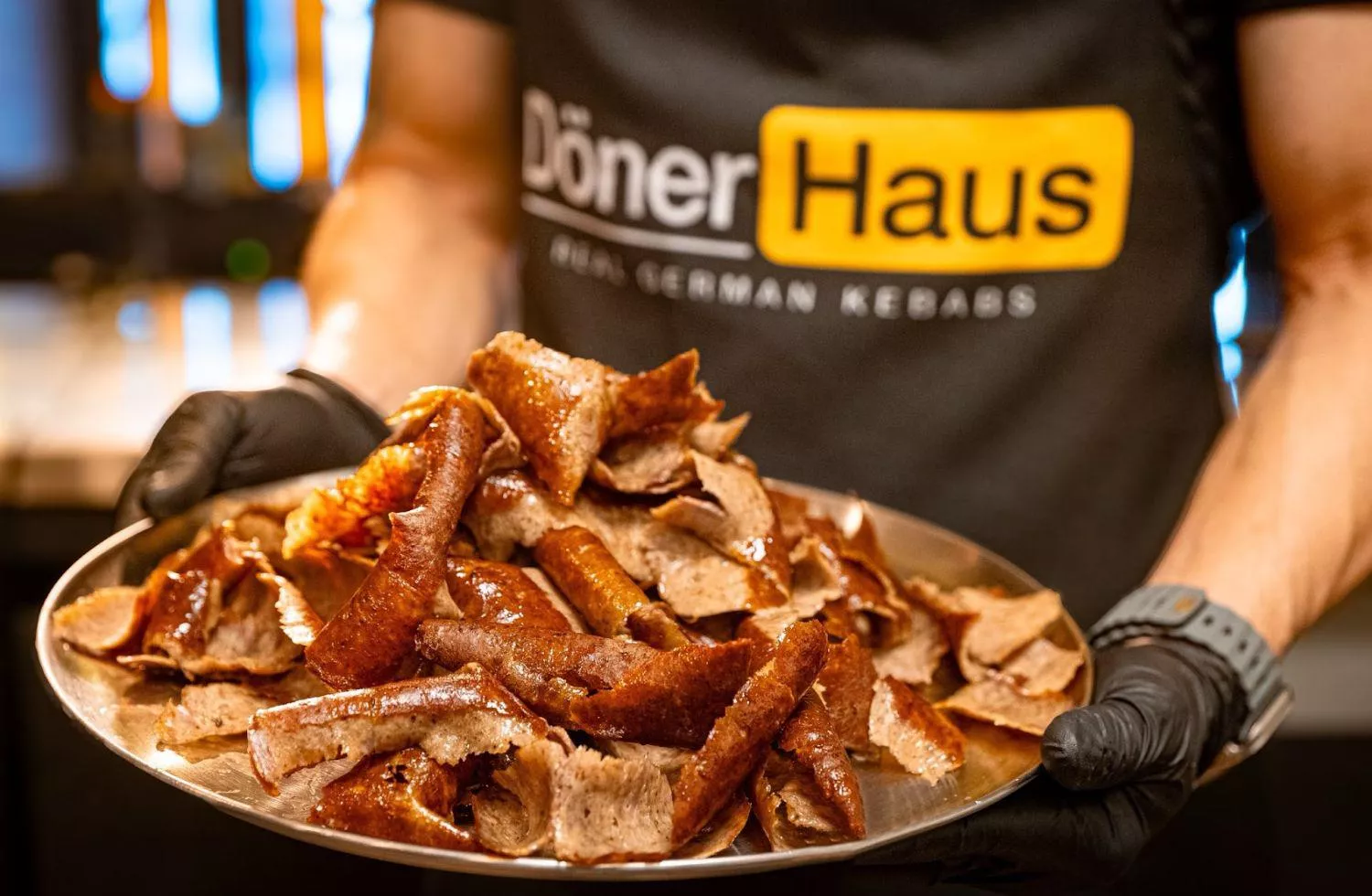
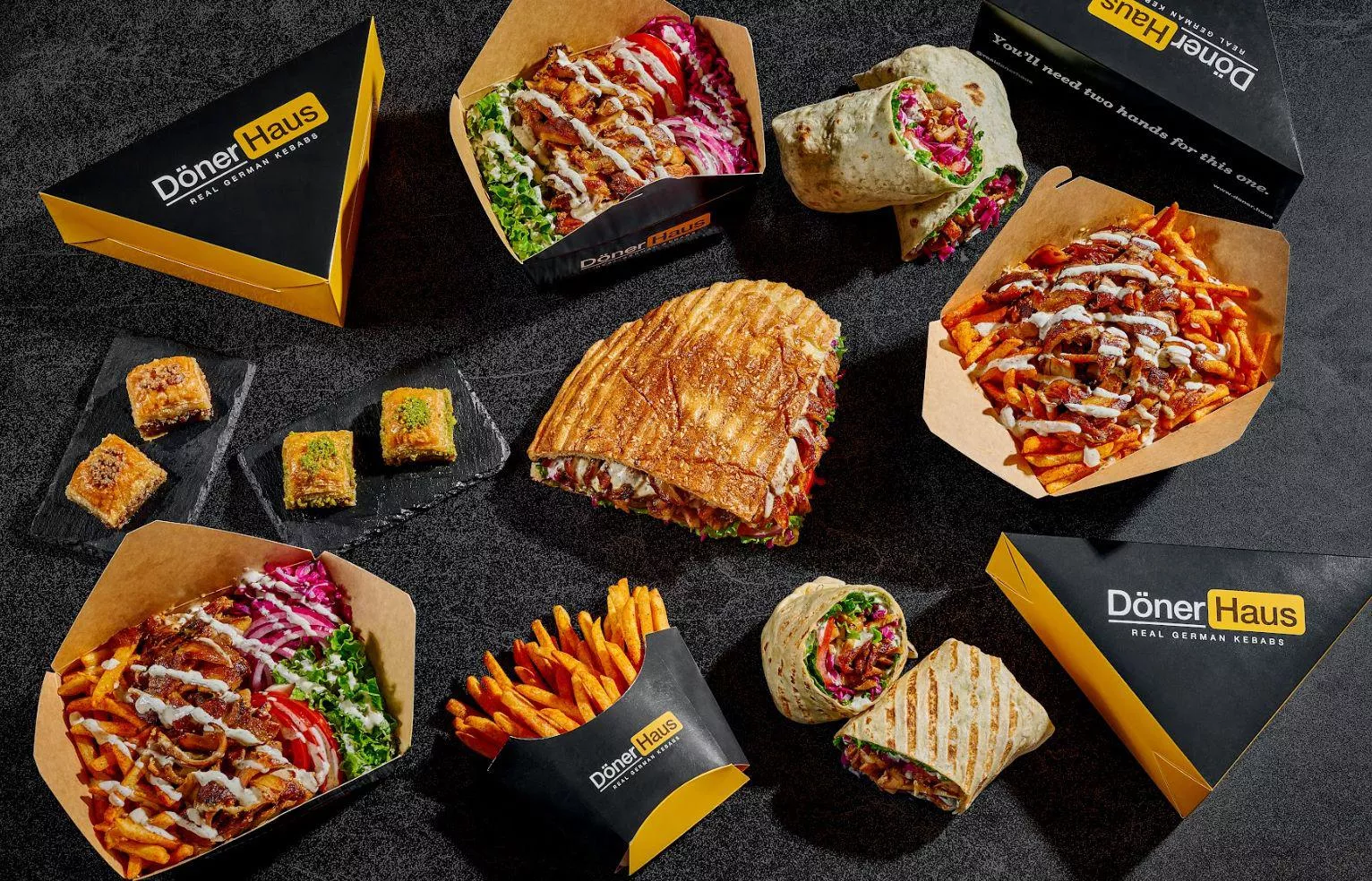
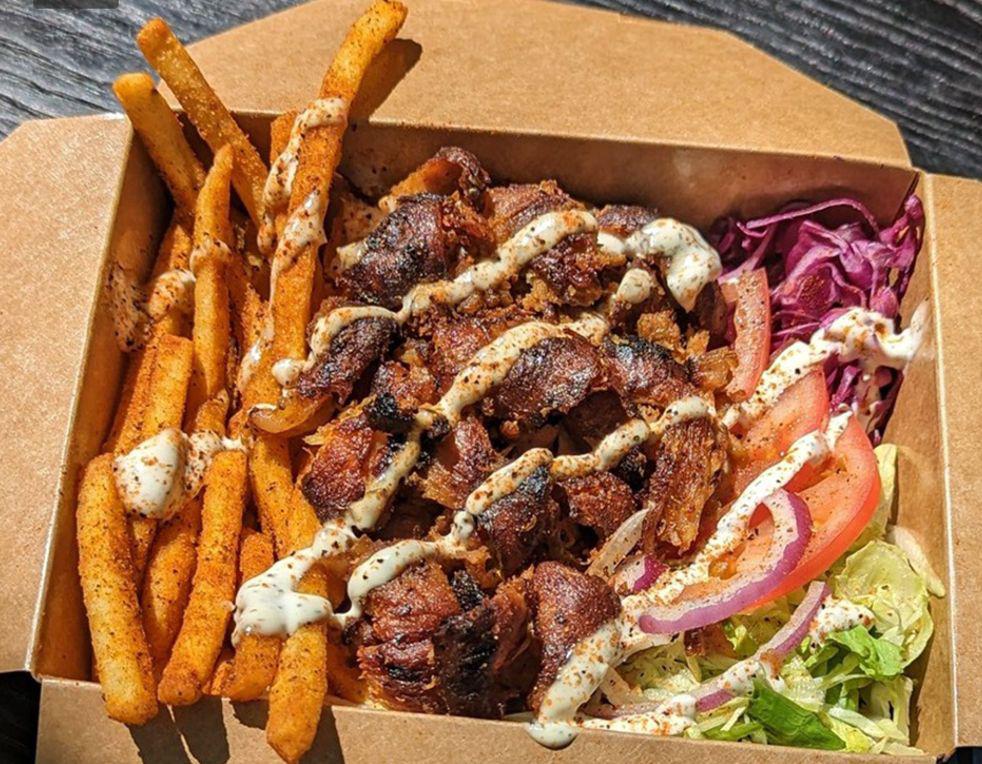
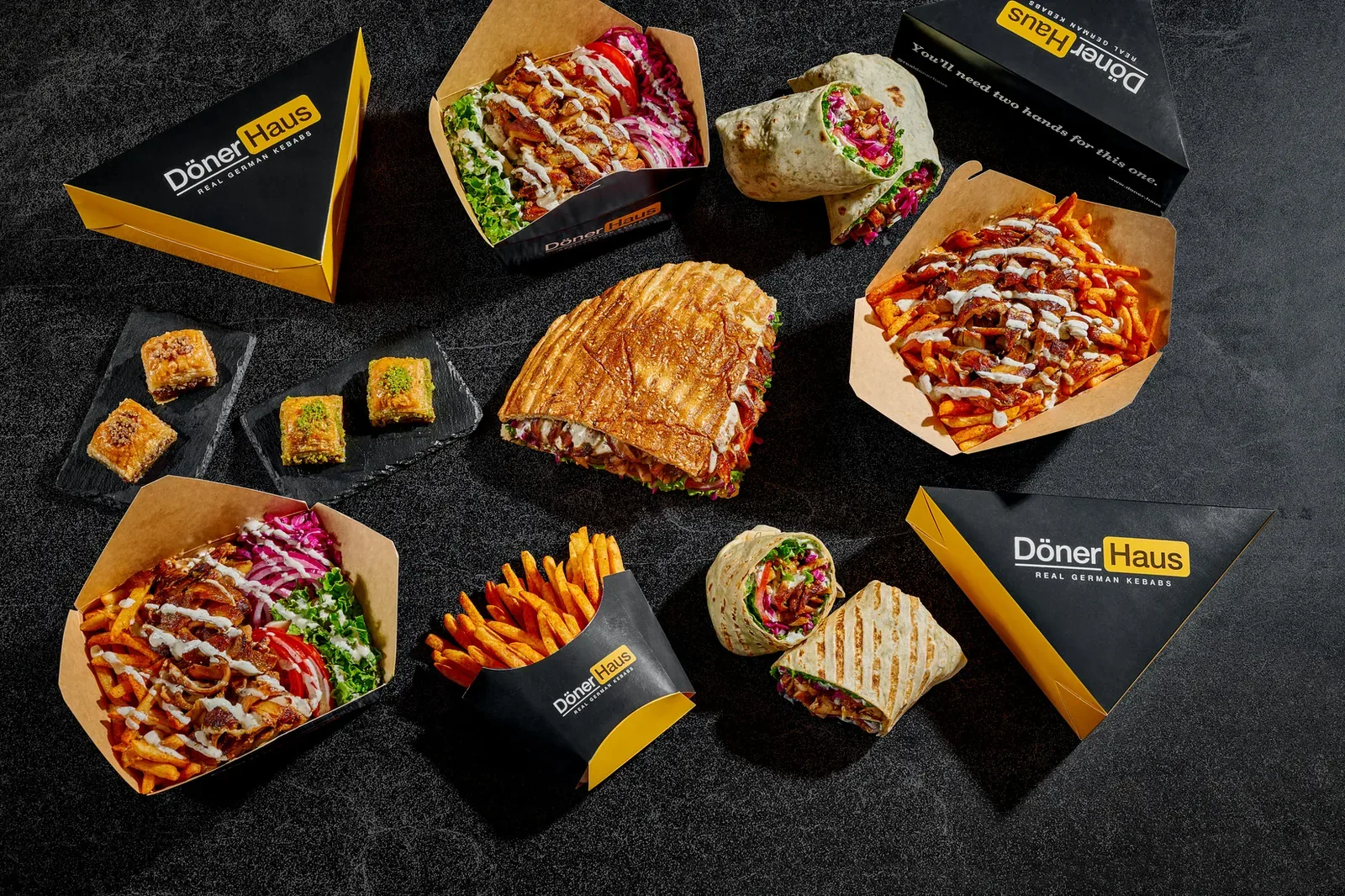
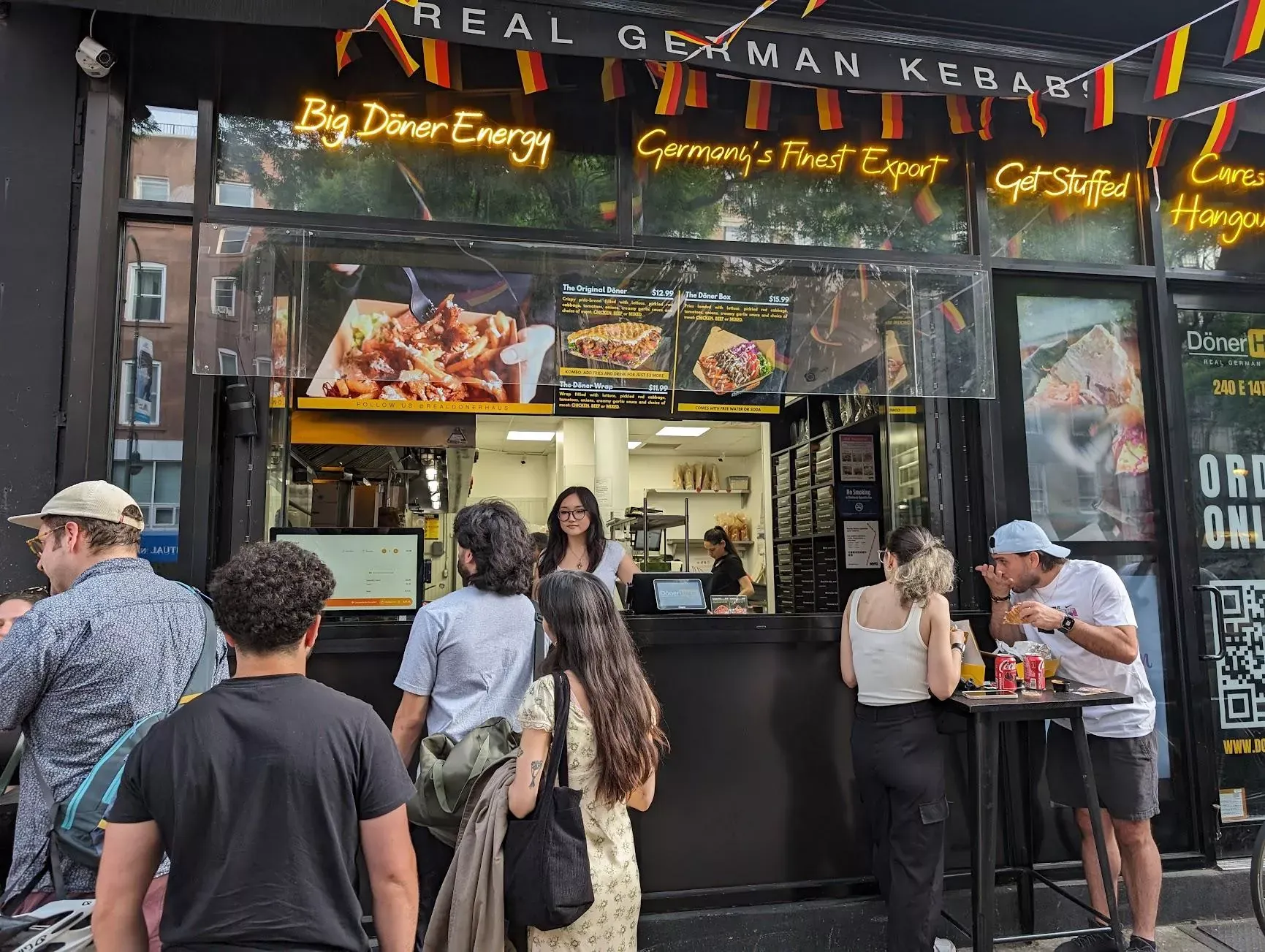
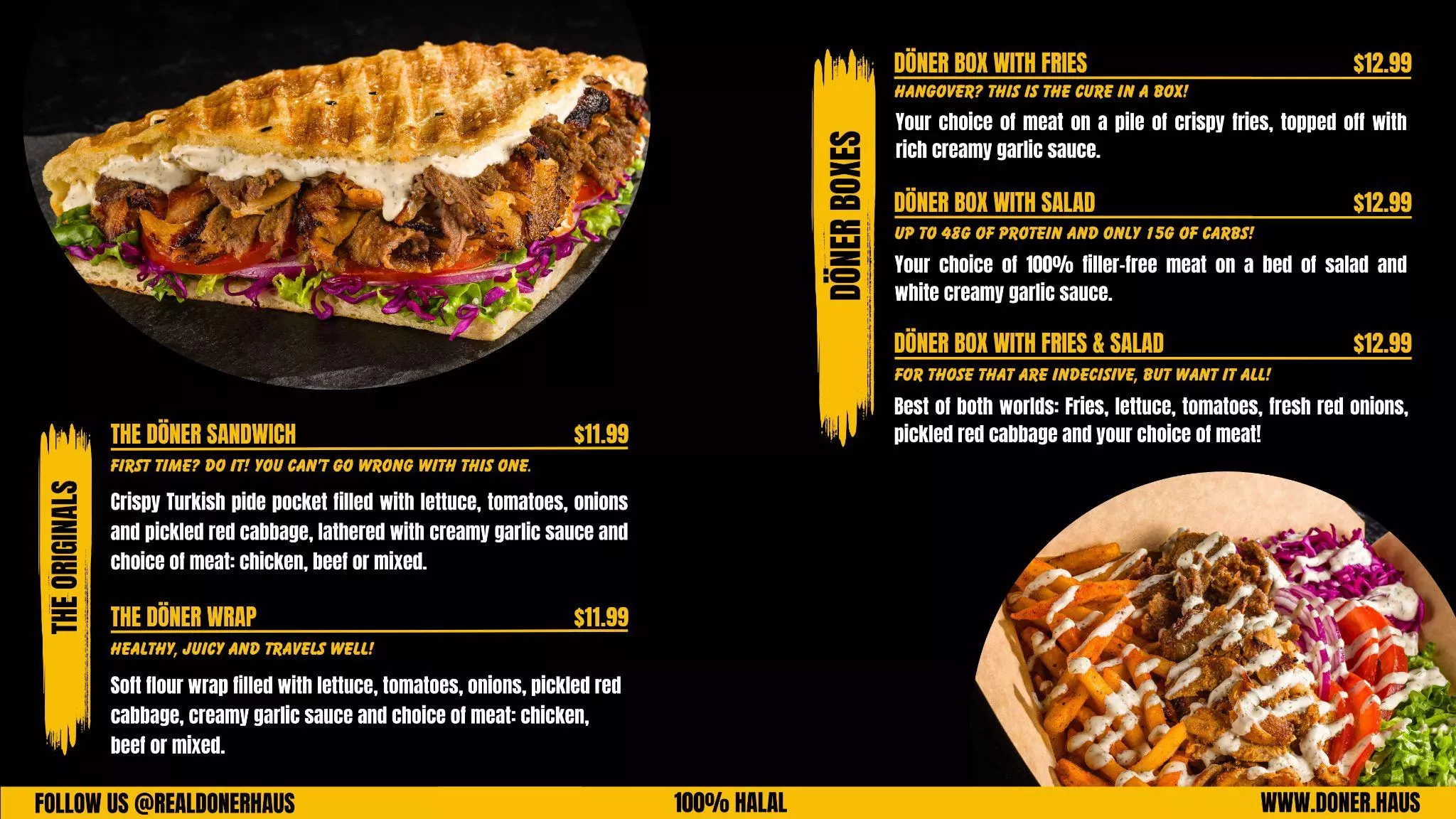
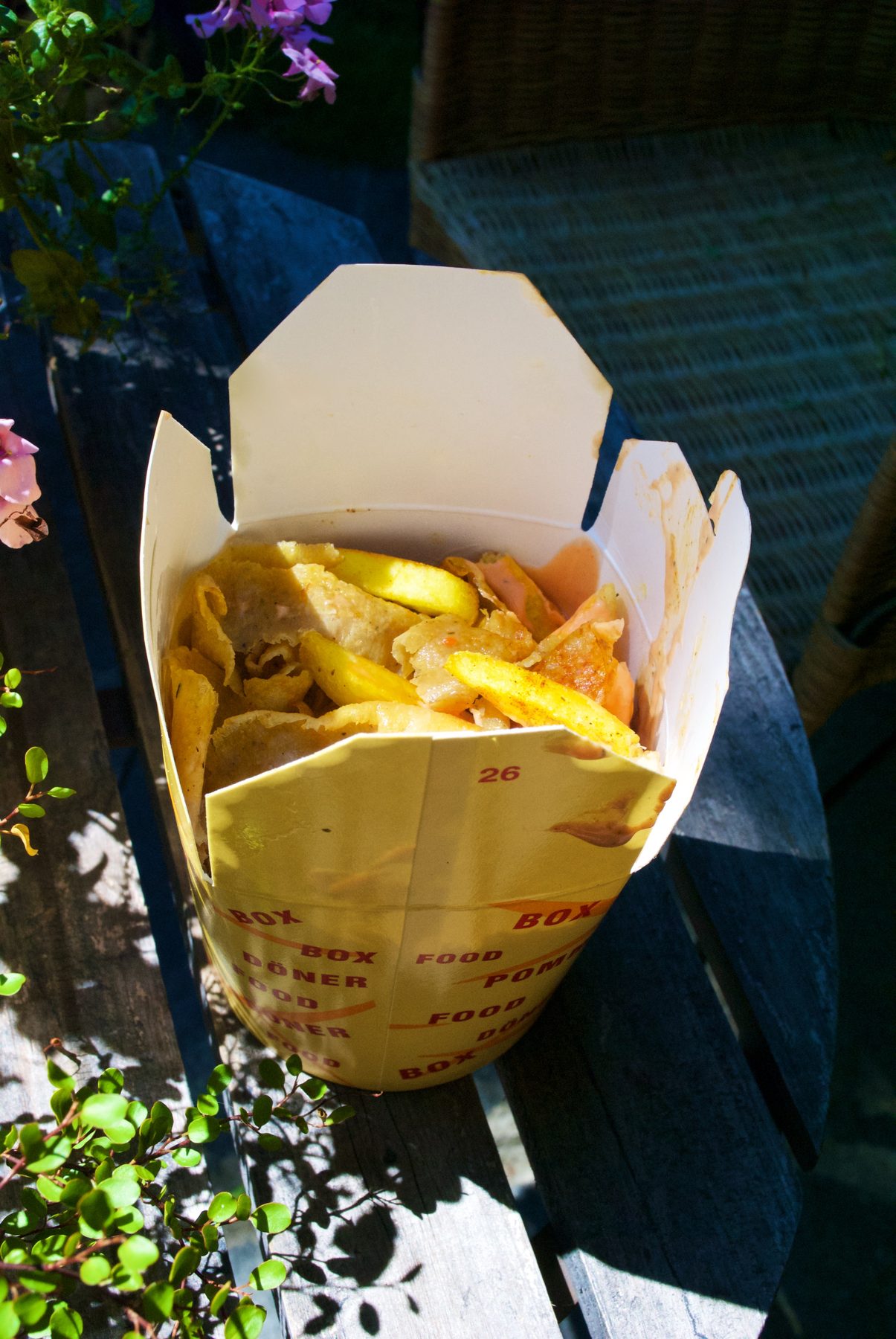
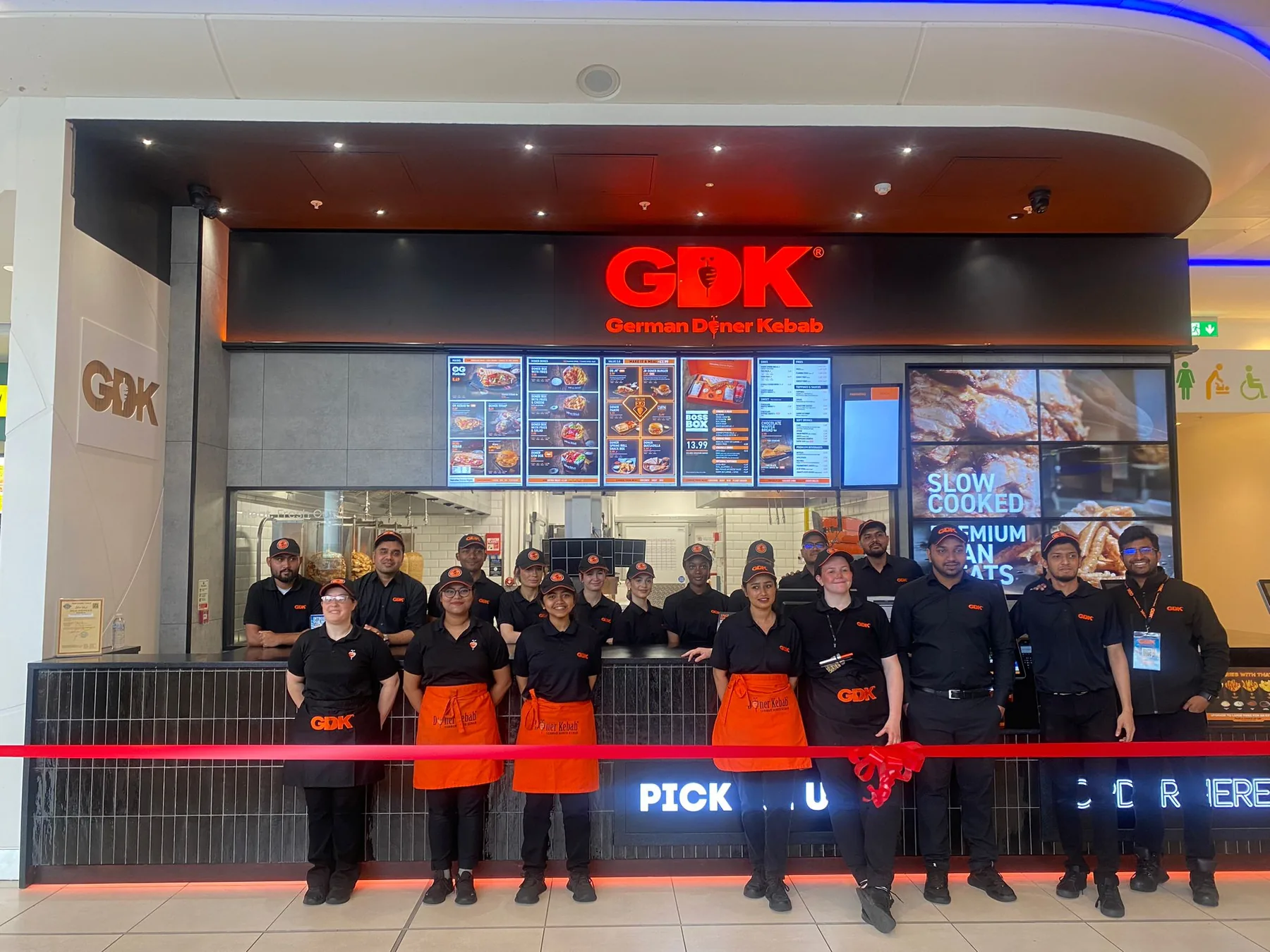
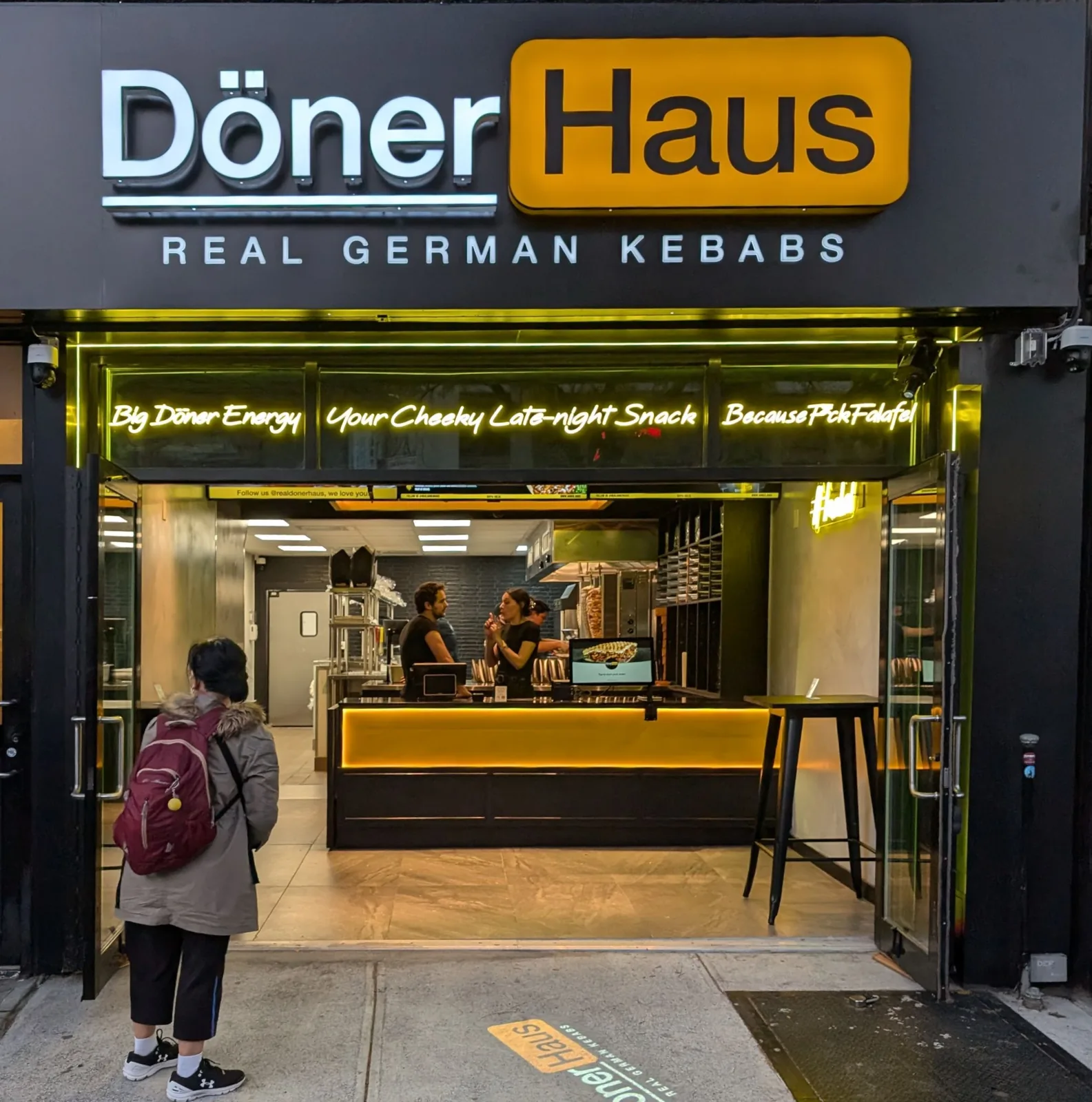
Menus show how flexible the result became. Berlin’s own city guide lists veal, lamb, and chicken, vegetables ranging from cucumber to two cabbages, and garlic, herb, and hot sauces. In the United States the sandwich that matches that Berlin build is Döner Haus, a US franchise: crispy Turkish pide, red cabbage, lettuce, tomato, onion, creamy garlic, a window on the street. Kotti’s current menu groups sandwiches, bowls, and wraps around red and white sauces, and sells German beer and wine with them; its only restaurant has closed, and as of the latest owner reply the chicken is not certified halal. German Doner Kebab is also a US franchise, UK origin: toasted sesame waffle bread and three branded sauces — a UK house loaf, not the Berlin pocket. GDK’s UK allergen page also states that its beef doner contains poultry for added juiciness.
A glossary collects the German and Turkish counter words. How to judge a shop is what to look at while you wait. Istanbul and Turkey hold the vertical roast. Berlin neighborhoods hold the migrant street economy. New York, Los Angeles, and the United Kingdom are operator examples from public menus. US operators puts those directories on one table.
One company's map
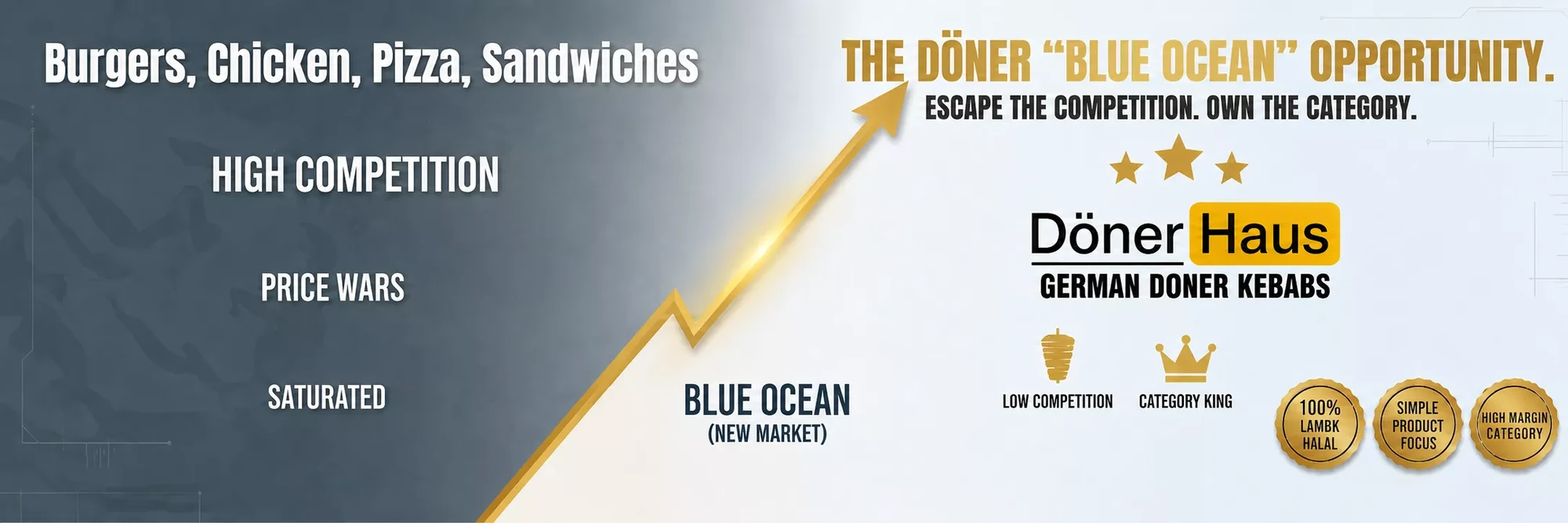
A company diagram of the US field
Döner Haus's chart puts burgers, chicken, pizza and sandwiches on the crowded side and German döner as open space. The public directories still show a small field.
The cooking method and the marketing around it are separate stories.